
 EN
EN
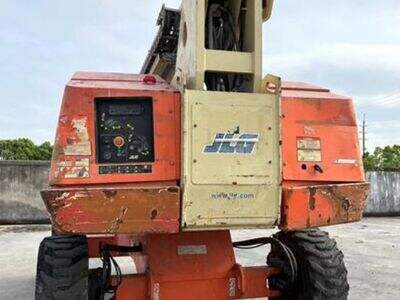
Aerial lifts are vital for many jobs which require workers to reach high places in the air safely and effortlessly. At Luchang, we understand that it can be difficult to choose the right aerial lift based on height. Various models can reach various levels, and selecting the wrong one could slow down progress or even create a safety hazard. Knowing how high each model is capable of ascending helps buyers select the ideal lift for their purposes, whether they’ll be fixing power lines, painting tall buildings or trimming trees. So let’s talk about how high various types of aerial lift can extend; concerns that may arise when choosing a height limit, and how to avoid those concerns.
What Is the Working Height of Various Wholesale Aerials?
One common question when you’re purchasing aerial lifts from Luchang is this: How high does the machine reach? Models have different maximum heights. Other small lifts extend only to 20 feet or so, which is enough for jobs like servicing lights on low poles and working inside warehouses. Larger models are capable of lifting up to 100 feet or more, necessary for the tallest buildings or large electrical towers. A smallish scissor lift might reach only 25 feet, making it suitable for inside work or low outdoor tasks. In contrast, a construction-specific boom lift soars to 80 feet or more, allowing workers ample maneuverability and working space with safety. Lifts that go higher for highly specialized tasks exist, too, but they are much less common and often custom-built. Wholesale purchasers from Luchang are frequently curious about the precise height, as it affects how much space the lift takes up and how heavy it is, and how much power it consumes. There are times when a closer, though just high enough and not too tall or expensive, is the one that buyers need. One of the things we regularly hear is that our customers tend to trade height for mobility, which is to say they prefer a lift that reaches high but also can fit through narrow gates or rough terrain. So knowing about the maximum reach helps you choose the right tool that suits your job and pocket. At Luchang you’ll find specifics as well as real-world advice to prevent you from getting a lift that’s too tall or short.
Typical Pitfalls for Aerial Lift Access Heights to Avoid
Choosing the correct height aerial lift isn’t always a no-brainer. A lot of problems arise from guessing the height you need or simply not knowing what the job requires. One common slip-up is purchasing a aerial platform lift that’s too short. Workers may get stranded, unable to get all the way to the top of a building or tree so time is wasted waiting for some kind of bigger lift, he said, or renting another machine. Another issue is selecting a lift that’s too tall. There can be a trade-off between favoring bigger lifts, which can also be more expensive and use more fuel or electricity, as well as being harder to move in smaller spaces. In addition, taller lifts may require additional safety checks or special permits, which can impede the pace of a job. Another is failing to consider the workplace. For instance, a lift can go up 60 feet, but if it is too wide or heavy then it cannot get into narrow alleys and muddy fields. Occasionally people forget to consider the terrain or weather conditions, either of which can restrict how high or safe a lift is able to go. One way to head off these problems is to measure the job site carefully and consider heights that workers have to reach not only the building’s height, but antennas or signs too. At Luchang, we recommend buyers to considering not only the height, but also lift type, platform size and stability. If you’re working on uneven terrain, you might require a lift with added safety features or improved stability. It’s also wise to keep future jobs in mind: Maybe the current job takes 30 feet of it, but maybe next year you’ll need 50 of it. Purchasing a versatile lift can actually save money in the end. It helps a lot to talk to experts at Luchang as we have been seeing a lot of the jobs and know what kind of lifts works best in which situation. We want to save you from buying the wrong height and having it interrupt work or cost more down the road. A little bit of extra planning goes a long way, and Luchang is here to make it easier every step.
Aerial Lift Height Safety Standards and Wholesale Buyers: What You Need to Know
A Good Deal: When purchasing the aerial lifts in bulk it will be very necessary to know their safety rules regarding height. Aerial lifts are the machines that make it possible for workers to go up in the air and reach high places more safely. If the machines are not used properly, especially on their highest setting, these machines can be dangerous. This is why safety standards exist, to protect workers and minimize accidents. These are rules wholesale buyers — companies that purchase many aerial work platform lifts at a time — need to be familiar with. The safety standards generally specify how high an aerial lift can be raised, how sturdy it must be and what safety features it must have. For instance, there could be regulations about guardrails or harness hooks to prevent workers from falling.
Required Aerial Lift Height Calculation For Construction And Maintenance Tasks
When you're working construction or on repairs up high, what's the height aerial lift should reach? Workers can’t do their job well if they are lifted too short. If it’s too tall, you could end up spending more or lifting heavier. So, it’s very useful to figure out height quite a bit. To get the height you need, measure from the ground to the highest point where workers must go. If you are painting a wall that is 30 feet tall, for instance, you will need a lift that goes slightly higher than 30 feet. That’s because workers require space to move and operate tools in a safe manner. Add 3 to 5 feet if you are trying to figure out the height of your work area. This area allows the employees to step-in comfortably, without stretching too hard and loosing their balance. Luchang’s aerial lifts are available in several models, with various maximum heights. Thus, buyers can choose a model that is just right for the specific height necessary to work at its task.